Reflecting on 2024: Key Soft Skills Developments in the Public Sector

In 2024, the public sector has placed a heightened focus on developing soft skills to meet modern challenges, enhance team dynamics, and ensure effective service delivery. Driven by rapid technological changes, diverse stakeholder needs, and shifting workforce expectations, soft skills have become essential for government and non-profit organizations striving to deliver meaningful outcomes. Here’s a…

Developing Leadership Skills in Public Administration Through Soft Skills Training

Strong leadership in public administration is vital for effective governance, and soft skills are the backbone of resilient, adaptable leaders. By enhancing skills like communication, empathy, decision-making, and conflict resolution, public sector leaders can inspire their teams, foster collaboration, and respond effectively to challenges. Soft skills training ensures that leaders not only make informed decisions…

Strategies to Build Resilience in Public Sector Teams Through Soft Skills

Building resilience in public sector teams is crucial for navigating challenges and maintaining productivity. Soft skills like adaptability, communication, empathy, and stress management are foundational for resilience. Here’s how these skills contribute to a stronger, more resilient workforce: 1. Encourage Adaptability to Manage Change Adaptability allows public sector teams to pivot quickly during shifts in…

The Role of Soft Skills in Crisis Management for Government Agencies

When government agencies face crises—whether it’s a natural disaster, a public health emergency, or civil unrest—the ability to respond effectively relies as much on soft skills as it does on technical expertise. Crisis management requires leaders to act quickly, communicate clearly, manage public expectations, and coordinate complex efforts. Soft skills such as empathy, adaptability, leadership,…

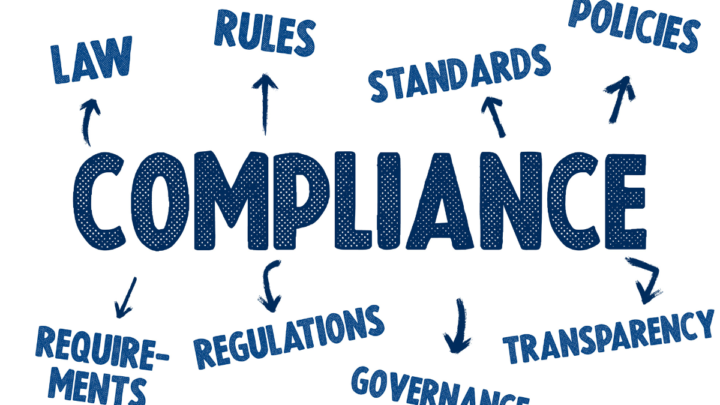
Leveraging Micro-Learning to Enhance Compliance and Regulatory Training

In government and highly regulated sectors, compliance and regulatory training is crucial but often time-consuming and complex. Micro-learning offers a strategic solution by breaking down large amounts of regulatory information into short, targeted modules that employees can easily digest. This method improves retention, ensures faster completion of mandatory training, and allows employees to focus on…